Every woman’s path is different. These are some of the concerns we commonly see at each stage.
Women’s health is interconnected. We look at the larger picture rather than one symptom in isolation.
Perimenopause and menopause are natural life stages, but the transition can bring hot flashes, night sweats, sleep disruption, mood changes, brain fog and changes in bone, heart and metabolic health. Care starts with understanding your symptoms, history and priorities.
The menopause transition can coincide with changes in body composition, muscle mass, fat distribution, sleep and metabolic risk. Hormone therapy is not a weight-loss treatment. We consider hormonal symptoms, lifestyle and metabolic health together.
See Metabolic & Weight HealthHormone therapy isn’t appropriate for every woman. A history of breast cancer, blood clots or migraine with aura needs careful review, and some situations call for alternatives or specialist input.
Concerned about changes in weight or metabolism? Our weight management is individualized and medically guided, focused on metabolic health, body composition and sustainable habits rather than quick fixes.
Changes in hormones, sleep, activity, nutrition, metabolic health and other factors can all influence weight and body composition. No single factor is automatically responsible, which is why assessment comes first.
Some patients ask about nutrient injections or infusions alongside their plan. MIC + B12 injections contain methionine, inositol and choline with vitamin B12. Phosphatidylcholine iV provides a phospholipid involved in fat transport and liver function. These are adjuncts only, not a weight-loss treatment on their own, and we’ll discuss whether they fit your plan.
Polycystic ovary syndrome is more than irregular cycles. It can affect cycles, skin and hair, mood, fertility-related plans and long-term metabolic health, and it isn’t simply a weight problem.
Thyroid conditions can affect energy, mood, hair, cycles, metabolism and weight, but weight changes have many potential causes. Assessment is based on your symptoms, history, examination where appropriate and lab results.
We aim to keep thyroid treatment within appropriate clinical ranges, working with your primary care provider and referring to specialists when needed.
Women can experience nutrient concerns for many reasons, including menstruation, pregnancy, diet, absorption and other medical factors. We review your bloodwork and recommend next steps.
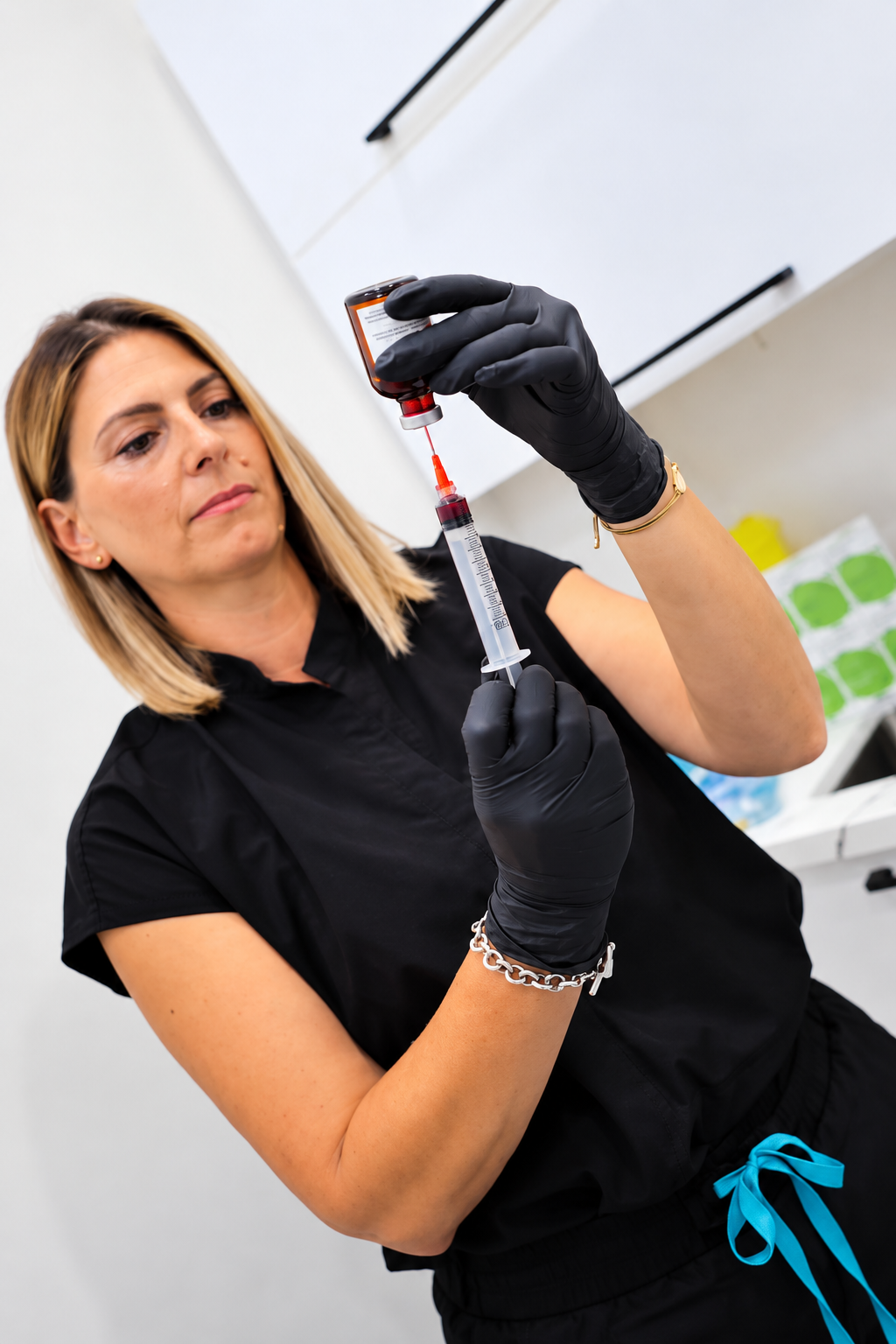
We collaborate with your family physician or OB/GYN and refer to specialists when needed.
Program fees for hormone therapy, thyroid co-management and prescription weight management depend on your plan and are discussed at your consultation.
Not covered by OHIP. Many services may be eligible under extended health benefits.

iV iron fees are listed on the Iron Deficiency & Anemia page.
We review your history, cycle and pregnancy history, symptoms, medications and goals, with a physical exam where indicated. We then recommend bloodwork if needed and build a personalized plan, reviewing the pros and cons of each option.
Usually, yes. Baseline labs and periodic monitoring guide safe, effective care for hormone, thyroid and metabolic concerns. Testing is chosen for your situation rather than ordered the same way for everyone.
No. For many women with bothersome symptoms, appropriately prescribed hormone therapy can be a reasonable option, but it isn’t right for everyone. We review your personal and family history, including breast cancer, blood clots and migraine with aura, and discuss non-hormonal options too.
Yes. Our approach combines a metabolic assessment, nutrition and activity guidance, and regular follow-up. For eligible patients, prescription weight-management medication may be prescribed by our Nurse Practitioner after assessment and bloodwork, with ongoing monitoring.
Thyroid disorders can affect metabolism and weight, but weight changes have many potential causes. We assess thyroid function based on symptoms, history and lab results.
Yes. We look at cycles, androgen-related symptoms such as acne and hair changes, insulin sensitivity and long-term metabolic health, and discuss lifestyle, supplement and prescription options where appropriate.
Yes. We review your bloodwork and recommend next steps, which may include oral iron or iV iron. See our Iron Deficiency & Anemia page for details.
These services are not covered by OHIP. Many may be eligible under extended health benefits, and detailed receipts are provided.
Information on this page is educational and not a substitute for medical advice. All treatments require assessment and informed consent and may not be appropriate for everyone. Results vary from person to person.

